
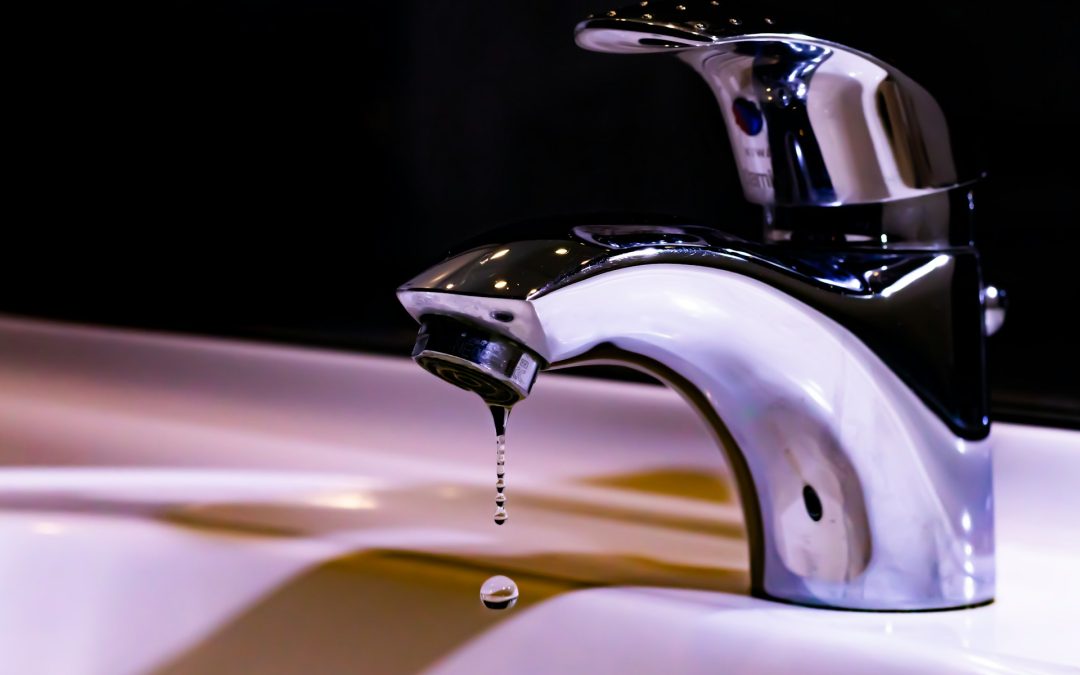
A dripping faucet might not seem like a big deal at first. It might even be easy to tune out after a while. But heading into November, when cooler weather settles in around Midlothian and people are spending more time indoors, little plumbing issues start to stand out more than they did in the summer. Faucets that drip, squeal, or stick become louder, more frequent reminders that something isn’t working quite right.
That’s when many homeowners start wondering if they’re just dealing with a small fix or if it’s time for a complete change. We hear this question all the time. What’s the tipping point between tightening a few parts and needing a full replacement? Taking the time now to listen to what your faucet is telling you can save you from bigger problems later, especially when the holidays and colder nights are around the corner. If you’re searching for a faucet repair service this fall, you’re definitely not alone.
What a Leaky Faucet Is Really Telling You
A faucet that drips or keeps running long after you shut it off usually means something’s wearing down inside. These small signs are often the result of washers, O-rings, or other rubber parts that have seen better days. Over time, moving parts inside a faucet can loosen up or get stiff from sediment or mineral buildup—especially in places like North Texas where hard water is common.
Sometimes the leak isn’t just in the spout. You might find moisture under the sink or along the base of the fixture. If a handle feels wobbly or turns harder than usual, that’s worth paying attention to too. These are all signs that the faucet is under stress and might be close to failing.
It’s easy to think a slow drip is just the sound of an old faucet, but it’s often the first clue of something more going on. If ignored, these little problems can grow into bigger ones, adding to your water bill or causing slow, hidden damage around cabinets and counters.
Newcomer Plumbing provides faucet repair service that includes checking for underlying valve leaks and replacing worn parts, helping reduce water waste and new leaks caused by aging hardware.
Is It Just Age? How to Tell If It’s Time for a Replacement
Not every faucet issue comes from a damaged part—sometimes it’s just time. Like any fixture in the house, faucets get old. If you’ve had the same one for more than ten years, there’s a good chance it’s already working harder than it should. Rust spots, worn finishes, or mineral stains that don’t wipe off are some of the easier signs to watch for.
We’ve seen plenty of faucets in Midlothian homes that look fine on the outside, but once you open them up, you find cracked parts or corrosion that can’t be reversed. Sometimes, the faucet still works, but it takes forever to get hot water or the flow is weak no matter how strong the supply is. Those are all hints that the faucet isn’t holding up as it used to.
Cooler seasons can make matters worse. As indoor plumbing is used more often in the fall, any weaknesses inside the pipes or fixtures get more noticeable. A faucet that worked “well enough” through the summer might start to struggle when used constantly during the colder, busier months.
Why Repairs Aren’t Always a One-and-Done Fix
It’s true that a quick repair can take care of a leak or a loose handle. Replacing a seal or tightening a screw might stop a drip—at least for a while. But if the faucet is old or made with worn-out internal parts, one repair might not be enough to make it last. That’s where a faucet repair service can help sort out a quick fix from a deeper issue.
There are a few signs it’s probably not the last time you’ll need to fix it. If you’ve already repaired the same faucet once before and the problem keeps coming back, something inside might be too worn down to hold. Faucets can also develop problems in parts you can’t see, like valves hidden behind the handle or threading that’s been overtightened and no longer fits right.
If you’re jiggling the handle every week just to stop it from drooping or if the faucet makes unusual sounds when it runs, those are signals something bigger could be coming. Fixes that keep breaking don’t just waste time, they wear down other parts too. Sometimes starting fresh is the path with the fewest surprises.
When to Call a Plumber vs. When to Wait
Not every drip needs to be handled the same day. But some faucet problems are worth taking care of right away, especially if water is showing up where it shouldn’t. A puddle under the sink, water spraying at odd angles, or a faucet that won’t shut off completely should all raise a red flag this season.
Fall tends to bring more plumbing calls because families are at home more often, and homes get prepared for gatherings or colder nights. Catching water on the counter or near electrical outlets can cause damage that’s difficult and costly to undo if left alone too long. In those cases, waiting is more of a risk than a strategy.
That said, small drips that haven’t changed for weeks and aren’t causing secondary issues might not need emergency help. But if you’re not totally sure where the drip is coming from or how far it’s spreading (especially in cabinets or behind fixtures), it’s a smart choice to have someone take a closer look during the slower days of November.
Keep Your Home Comfortable with a Working Faucet
Knowing the difference between a leaky faucet and one that’s just wearing out can make a big difference during the fall months. Small problems show up first through drips, squeaky knobs, or water where it shouldn’t be. Once you start noticing them, they usually don’t go away on their own. Getting ahead of things now helps avoid stressful mid-winter surprises.
We always tell customers that fall is a useful time to tidy up small plumbing issues before the holiday season picks up. A quiet, drip-free faucet may not seem like much, but once the house gets busier or the nights drop below freezing, a working faucet keeps the daily routine smooth. Watching for telltale signs now can save both time and frustration later on.
If you’re noticing leaks or signs of wear around your faucet, now’s a good time to take a closer look. A quick patch might not hold up during the colder months, especially in older homes around Midlothian. Staying ahead of problems before winter sets in can save you from bigger headaches later. Our faucet repair service helps keep things working like they should, so reach out to Newcomer Plumbing and let’s get your plumbing back on track.